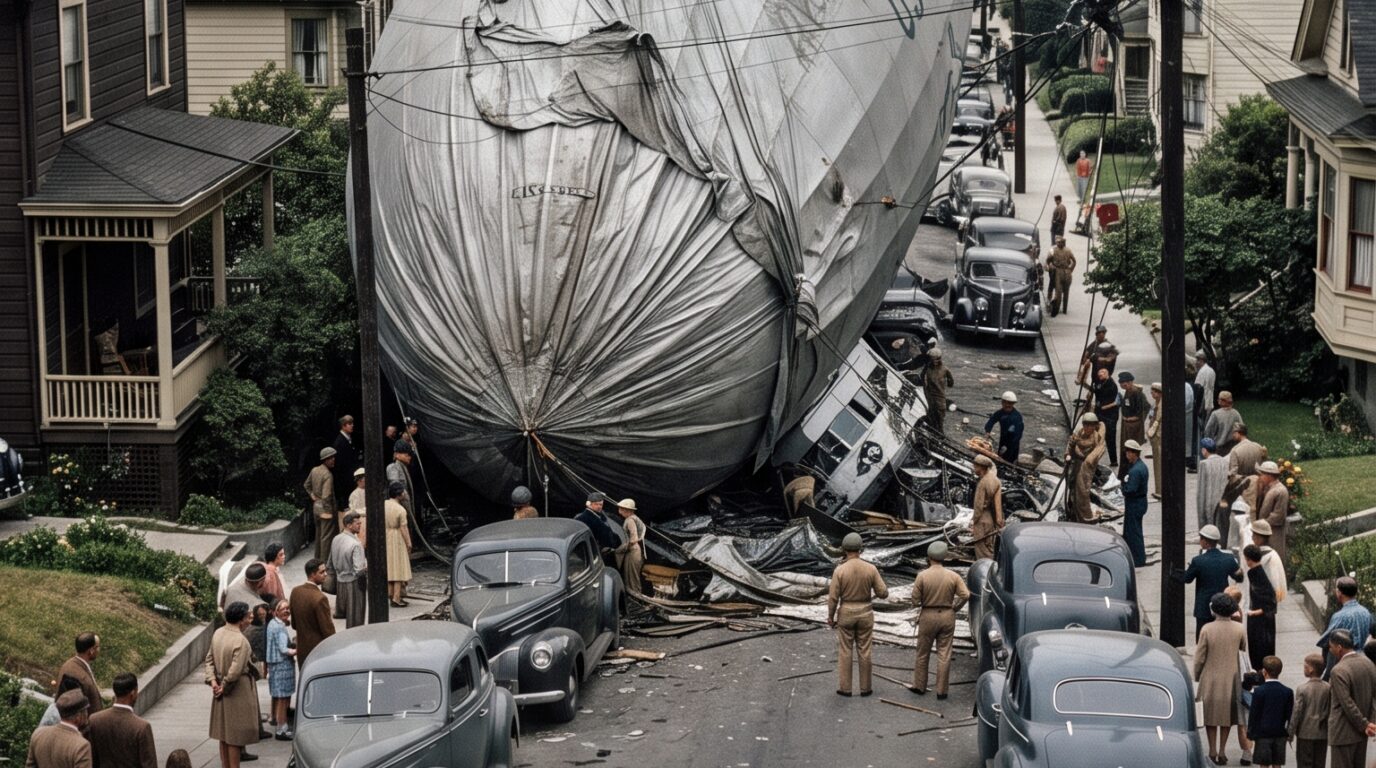
On a foggy morning in August 1942, a US Navy airship drifted silently out of the California skies and settled, gently and impossibly, onto a suburban street in Daly City. When emergency workers cut into the cabin, they braced for casualties. Instead, they found absolute emptiness. The engines still worked, the radio was intact, and the parachutes sat secured in their racks. Yet the two experienced pilots had vanished over the Pacific.
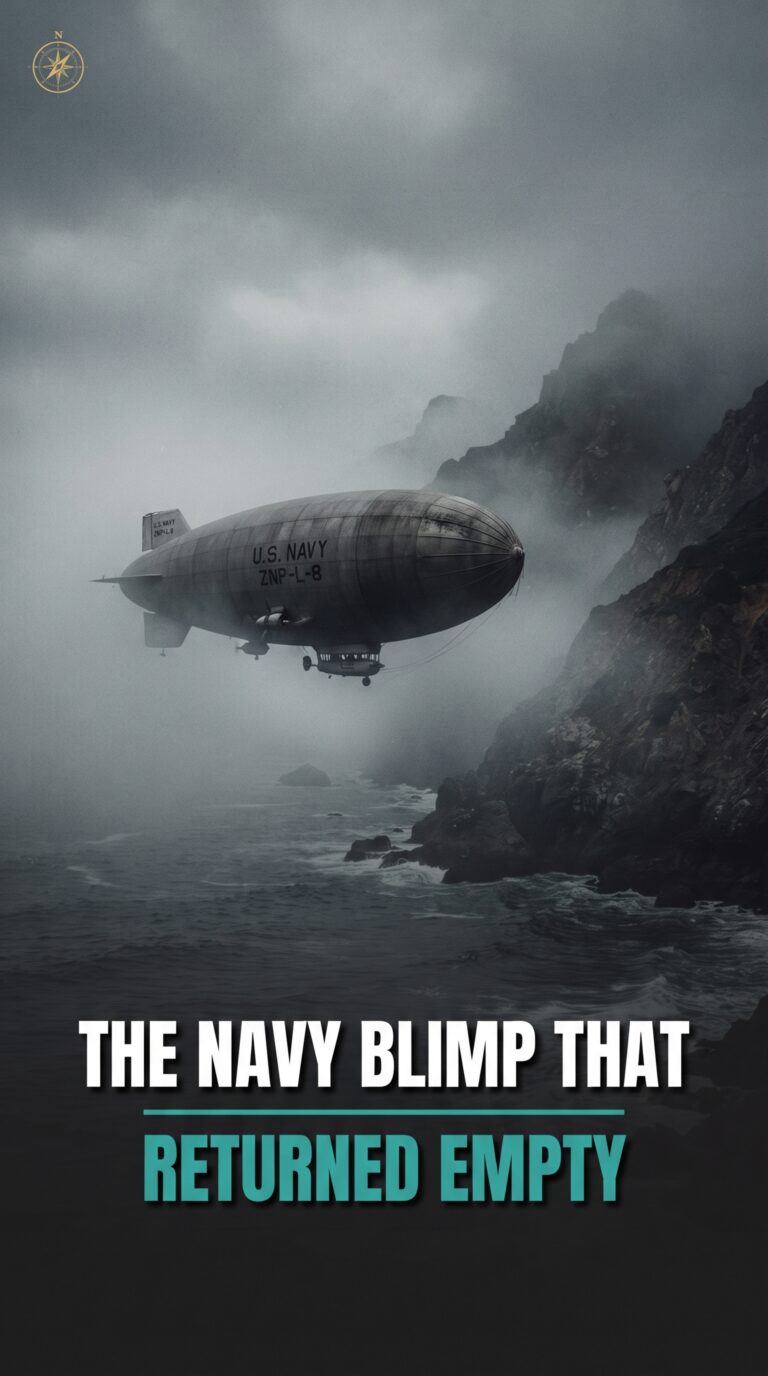
The Routine Submarine Patrol
In the tense months after Pearl Harbor, the Western Sea Frontier watched constantly for Japanese submarines. On August 16, 1942, Flight 101 lifted off from Treasure Island. Manned by Lieutenant Ernest Cody and Ensign Charles Adams, the L-8 blimp drew a standard four-hour patrol. Both men were seasoned veterans with spotless records, and the overcast weather posed no extreme challenge for a crew like theirs.
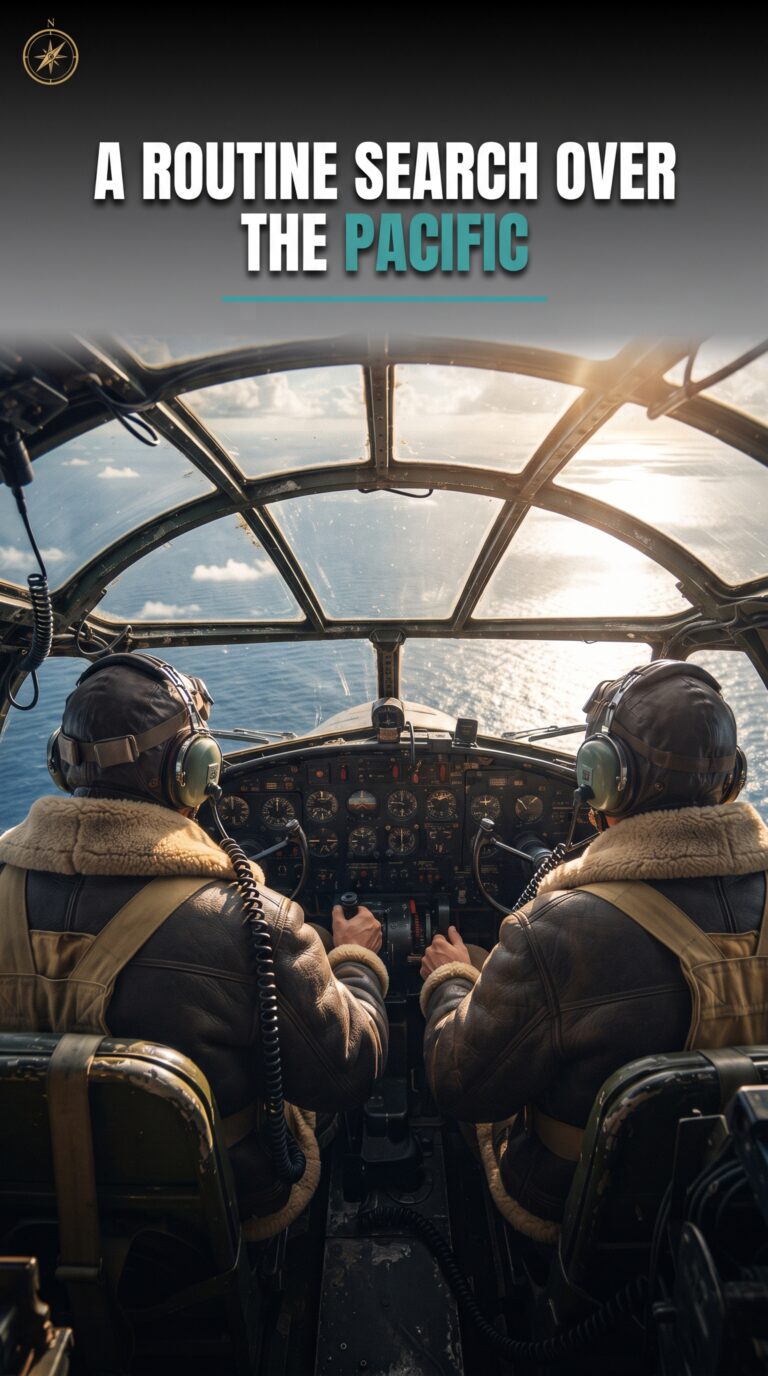
For the first hours the flight ran exactly to plan. The crew kept the shore base updated with coordinates as they scanned the gray Pacific. There was no sign of structural trouble, mechanical fault, or personal distress inside the cabin.
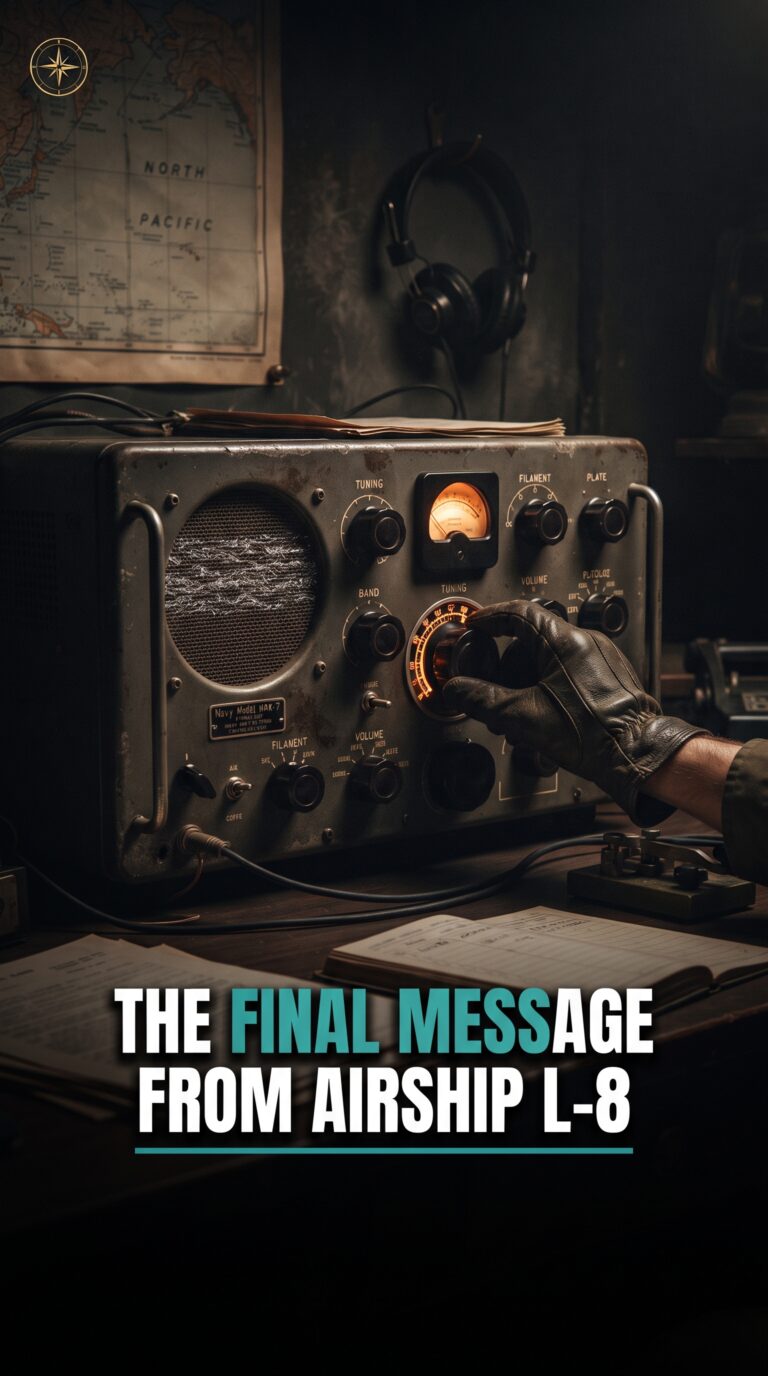
“We are investigating a suspicious oil slick. Will report back.”
The final words transmitted by the L-8 crew
A Ghost Flight Over San Francisco
At 7:42 AM, Cody radioed that they had spotted an oil slick near the Farallon Islands. It was their last transmission. When contact stopped, dispatchers grew concerned. Then commercial pilots and beachgoers reported a terrifying sight: a partially deflated Navy blimp drifting inland with its engines dead.
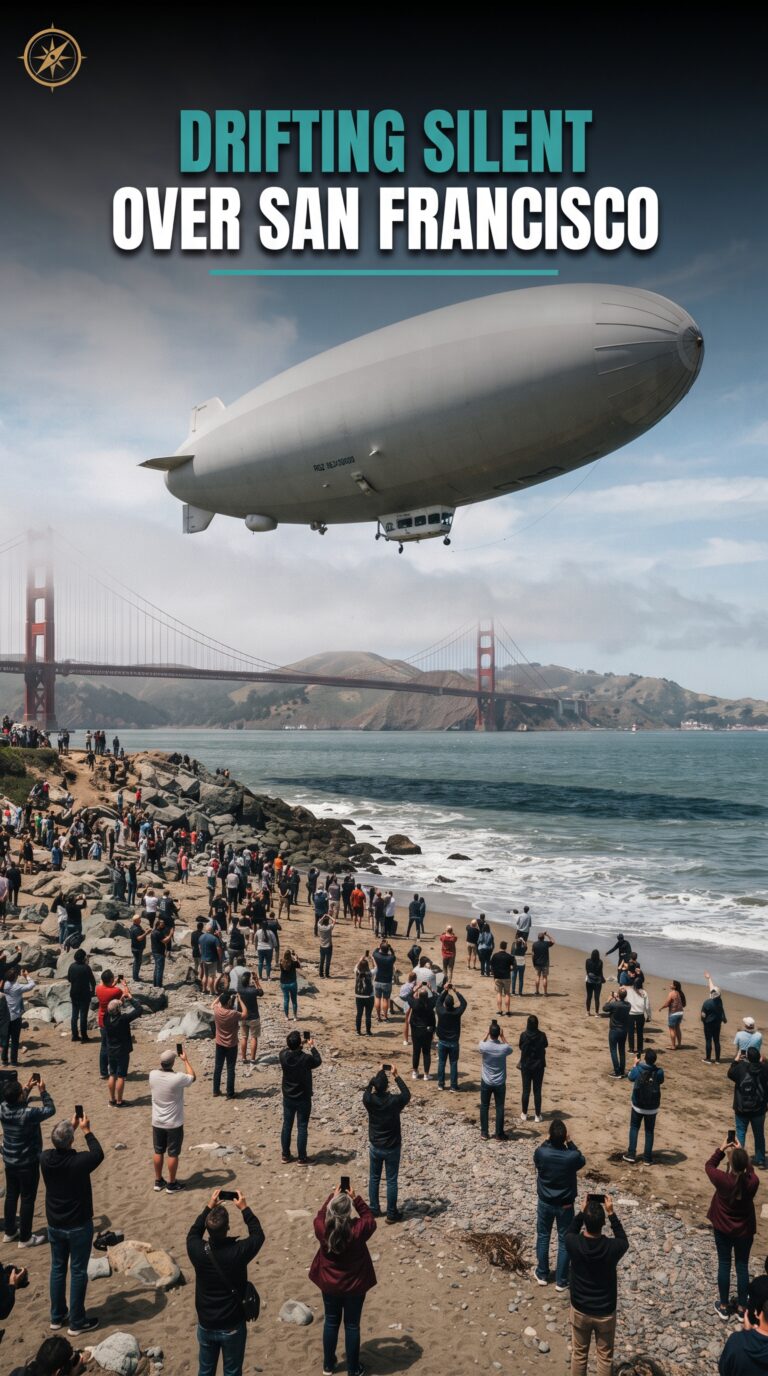
The airship scraped the hillsides and dropped its depth charges on a golf course, lightening enough to rise again. It floated over the neighborhoods of Daly City before coming to rest on Belleville Avenue.

The Navy found the blimp’s structure completely functional with exactly 0 life rafts missing from the emergency bays.
Read more Unexplained expeditions →
The Unsolved Legacy of Flight 101
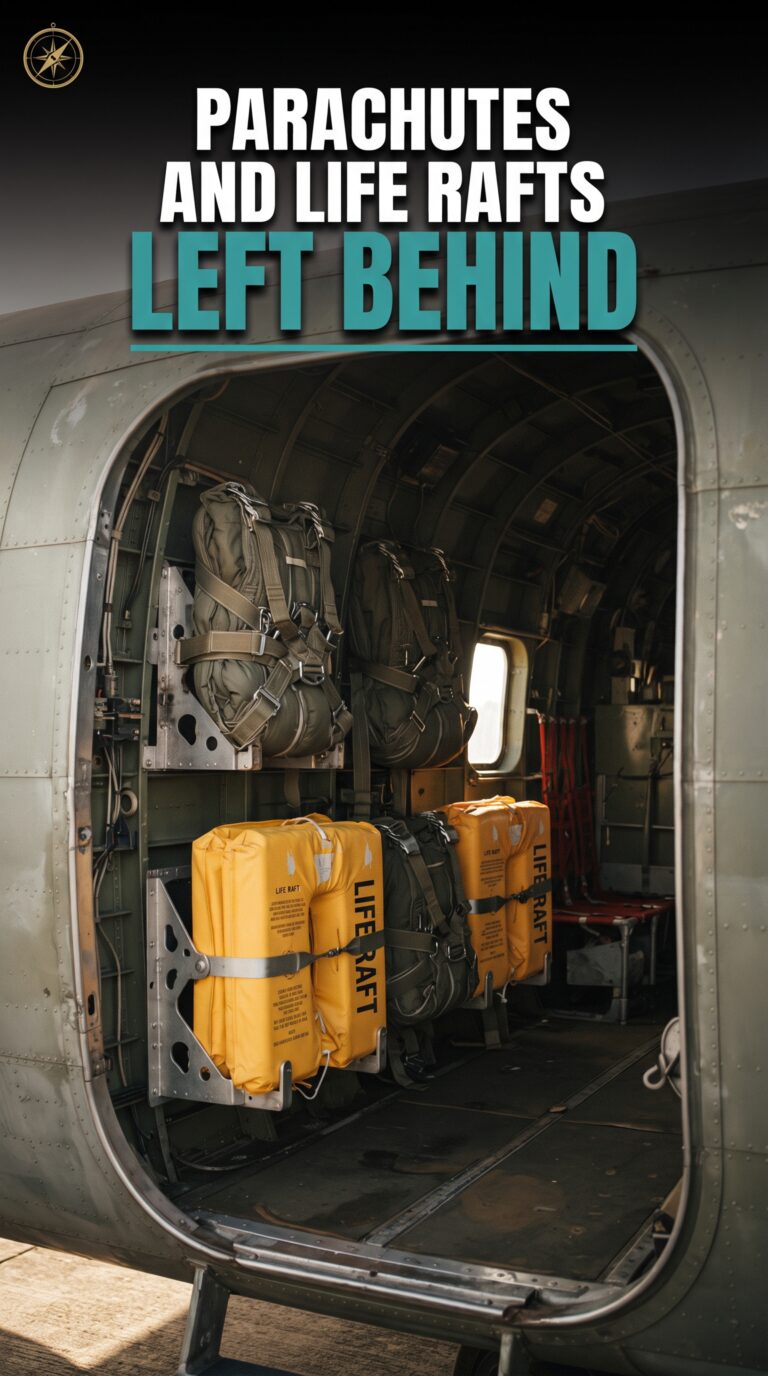
The military investigation only deepened the mystery. The gondola door was latched wide open. A broadcast microphone dangled from the window. Yet the crew’s parachutes, life jackets, and rafts stayed untouched. If the men left, they did so without their safety gear.
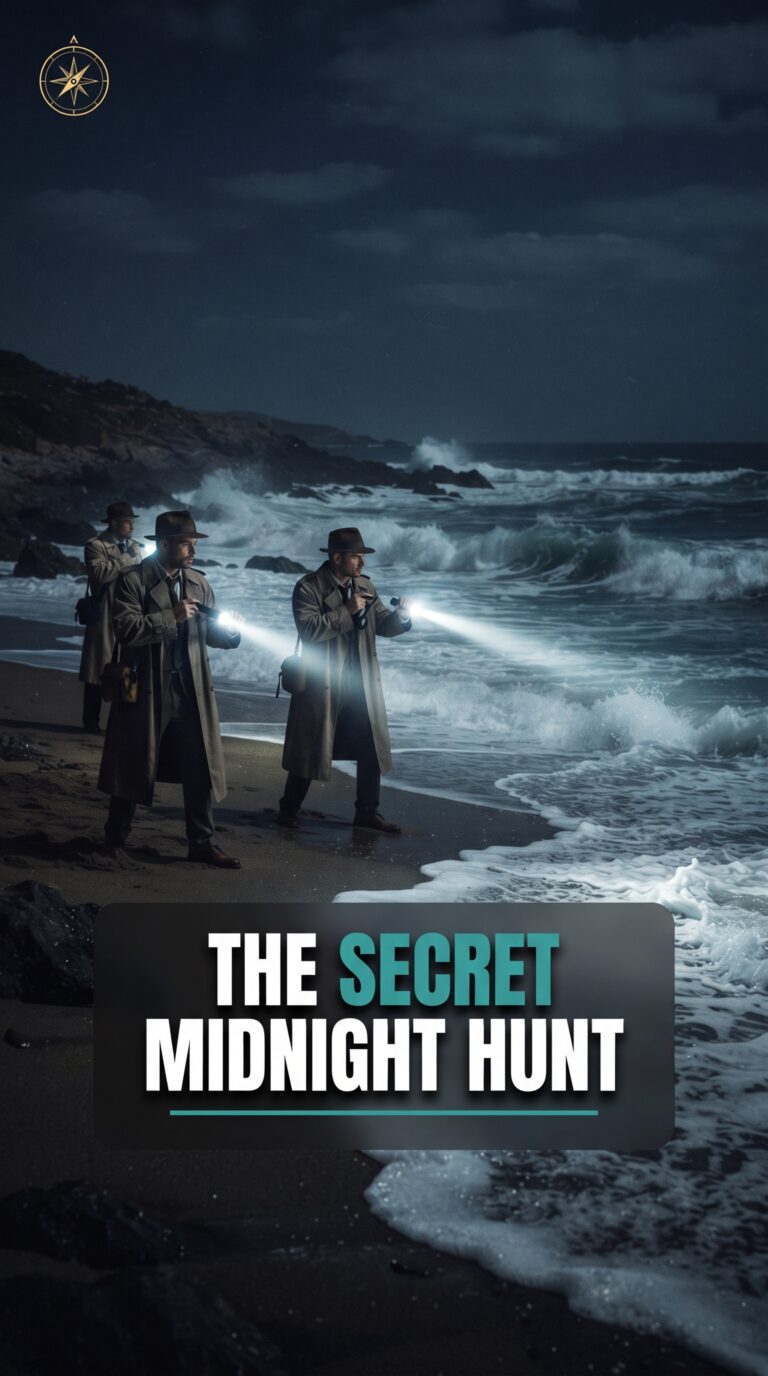
Naval searches of the cold Pacific found no bodies, no clothing, no signs of struggle. Theories ran from a secret encounter with a submarine crew to a mutual altercation that sent both pilots into the sea.
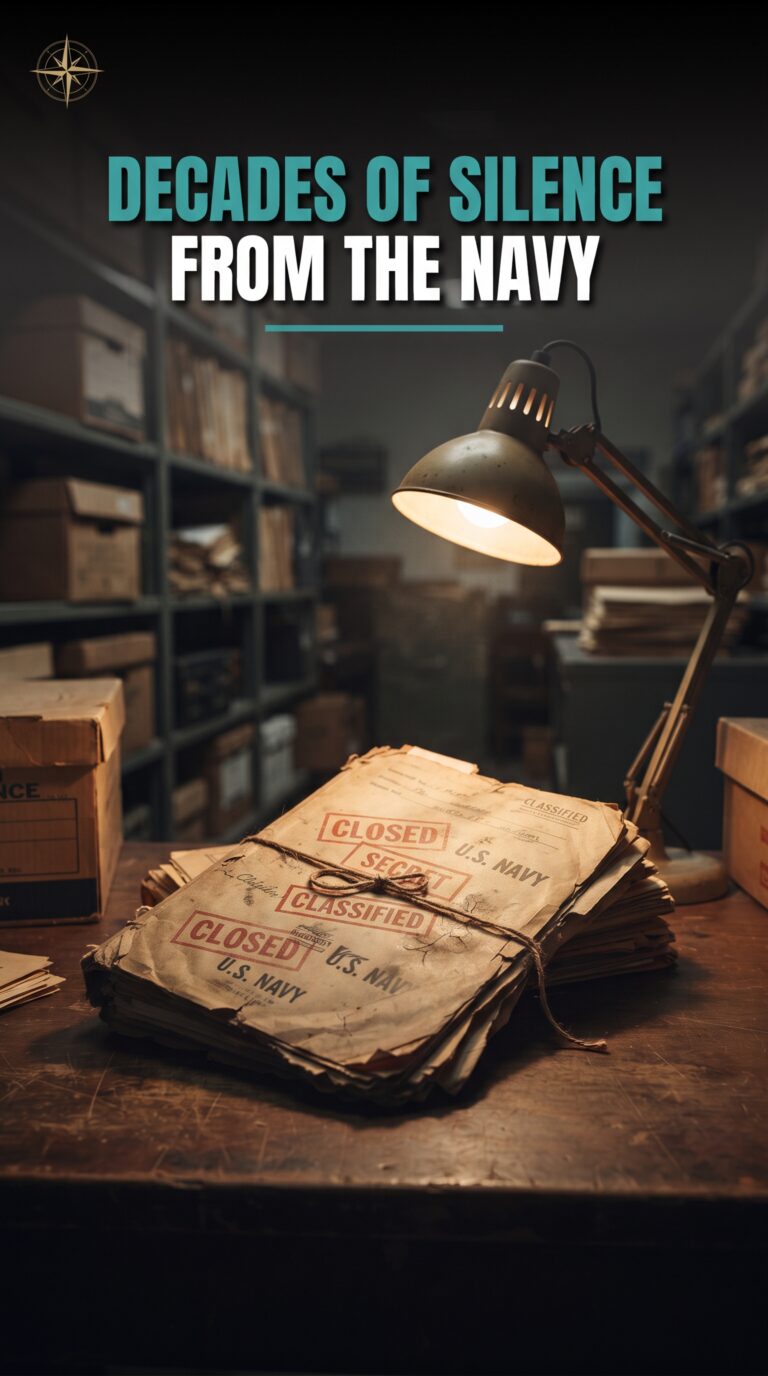
To this day the United States Navy offers no official explanation for the disappearance of its airmen. The L-8 was repaired and returned to service, but the fate of its original crew stays lost in the coastal fog of Northern California.

Frequently Asked Questions
Why did the crew leave their parachutes behind?
During low-altitude coastal patrols, crews rarely wore parachutes because an escape from that height was practically impossible, so the gear stayed stowed in its racks.
Was the blimp attacked by enemy forces?
The airship showed no bullet holes, shrapnel tears, or structural damage indicating hostile action or sabotage.
What happened to the L-8 blimp after the crash?
The Navy fully repaired the hull. It served as a training craft through World War II and was later sold to the Goodyear Corporation.
More than eight decades later, the Navy logbooks still offer no answers. Explore more unexplained American mysteries with StoryScout — one strange story, every Friday.